 Skip to content


Is Your Child Getting Too Much Screen Time? A Parent’s Guide | Egypt
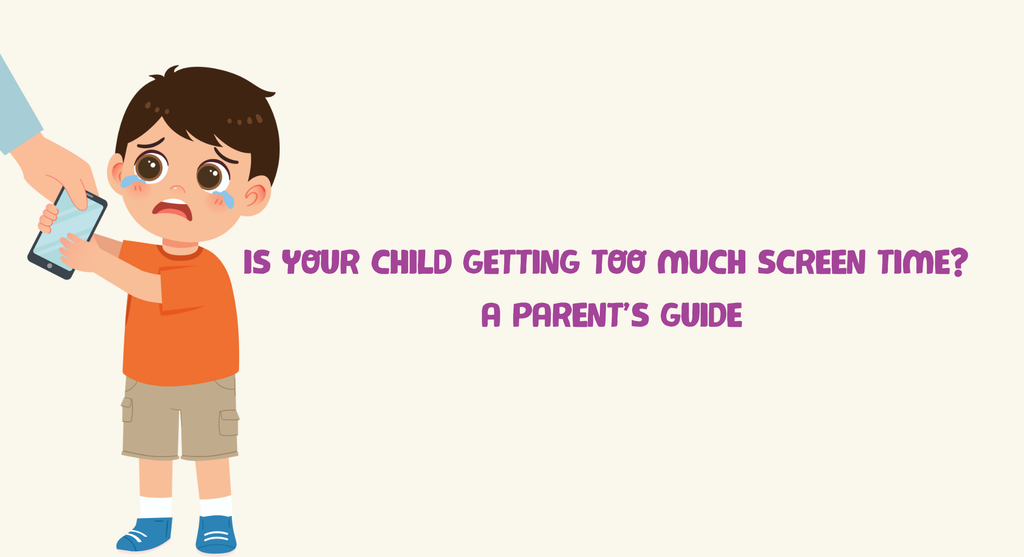
Is Your Child Getting Too Much Screen Time? A Parent’s Guide | Egypt
We’ve all been there; sometimes, a tablet or a favorite show is the only way to get dinner on the table or steal ten minutes of quiet. Screens are a part of modern childhood, but as parents, we often get that "gut feeling" when the balance has tipped a little too far.
If you’ve been wondering if your child’s device usage is crossing the line into "too much," you aren’t alone. It’s not about guilt; it’s about noticing the signs so we can help our kids feel their best.
Is Your Child Getting Too Much Screen Time?
Every child reacts to screens differently based on their age and personality. However, there are a few common "red flags" that might suggest it’s time to power down for a while:
- Physical Discomfort: Keep an eye out for frequent eye rubbing, complaints of blurry vision, or "tech neck" (soreness in the neck and shoulders).
- Tired Eyes: If you notice your child rubbing their eyes frequently or complaining of blurry vision, they might be experiencing eye strain. Staring at a screen for a long time can make eyes dry and fatigued.
- Consistent screen use has been linked to an increased risk of short-sightedness (Myopia). This is when things far away look a bit blurry, which can sometimes impact a child's confidence at school or lead to a need for glasses later on.
- "Tech Neck": Keep an ear out for complaints of a sore neck, shoulders, or back. Slouching over a tablet can lead to poor posture habits and localized pain.
- Sleep Struggles: If your child is tossing and turning or finding it hard to drift off, blue light from screens might be the culprit.
- The "blue light" emitted from tablets and TVs can trick a child’s brain into thinking it’s still midday, making it much harder for them to fall into that deep, restorative sleep they need. When screen time replaces a nap or pushes back bedtime, it isn't just cutting into rest; it’s potentially impacting their emotional development down the road.
- A Foundation for Mental Health: Studies have found that sleep challenges in the early years can be a "heads-up" for a higher likelihood of emotional or behavioral struggles as children grow into their teenage years.
- The 10-Hour Milestone: In a massive study of over 32,000 families, researchers found that toddlers who consistently slept less than 10 hours a night—or woke up three or more times—were more likely to experience behavioral difficulties by age five.
- Long-Term Resilience: Even at age four, the quality of a child's sleep can predict how they handle their emotions well into mid-adolescence.
- The Magic of the Nap: Science also tells us that for toddlers, napping is a secret weapon for "self-regulation." It’s that essential reset button that helps them manage big feelings and stay balanced.
- Mood Shifts: Does your child become unusually irritable or have intense mood swings when the tablet is put away? Many "tantrums" are actually the result of overstimulation. A screen-free environment allows a child’s nervous system to settle, leading to better mood regulation and more restorative sleep
- Social Withdrawal: You might notice your child seems less excited about playing outside or spending time with friends and family.
- The Power of Interaction: A child’s ability to speak and communicate flourishes through "back-and-forth" moments with the adults and peers in their life.
- Quality Time Matters: Research suggests that high screen use can sometimes reduce both the amount and the quality of these heart-to-heart interactions. When we put the devices away, we create more "practice time" for children to develop their language skills and bond with those who love them.
- Adjusting to the Real World: When a child's brain gets used to the fast-paced, vivid world of digital media, less-stimulating environments—like a classroom or a quiet study space—can feel a bit "boring" or difficult to focus in.
- School Success: A study in Spain found a link between high screen use and lower academic performance. Taking breaks from technology can help your child’s mind "reset" so they can better engage with their schoolwork.
- Teenage Brain Development: For our teenagers, "media multitasking" (like texting while doing homework) can make it tougher for their brains to manage "executive functions." This includes things like working memory, staying focused on one task, and resisting impulses.
Health authorities such as the World Health Organization, the American Academy of Pediatrics, and the Australian Department of Health have established specific benchmarks to support healthy child development.
- Infants and Toddlers (Under 2): Digital media should be avoided entirely. Early exposure can displace physical play, hinder language acquisition, and impact visual and attentional development. An exception is made for video calls with loved ones, which can actually support social bonds.
- Preschoolers (Ages 2–4): Screen use should be capped at one hour daily. To maximize educational value, parents should watch alongside their children. Excessive use at this stage is linked to sedentary lifestyles, delayed literacy, and a higher risk of childhood obesity.
- School-Aged Children (Ages 5–17): Recreational, stationary screen time should not exceed two hours per day. It is vital to encourage frequent movement breaks and prioritize high-quality social interactions. Additionally, keeping devices out of bedrooms and limiting use before sleep is essential for maintaining healthy sleep hygiene.
Heart-Centered Strategies for a Screen-Free Reset
Reducing screen time doesn't have to feel like a punishment. Instead, think of it as "trading up" for better experiences. Here are a few caring ways to start:
1. Designate Screen-Free "Sacred Spaces"
Physical boundaries create mental boundaries. When a child enters a "sacred space," their brain stops expecting the hit of a digital device.
- The Table: Meals are for nourishment and conversation. Removing devices here invites children to practice the art of listening.
-
The Bedroom: Protecting the bedroom ensures that sleep is the priority. Melatonin production is easily disrupted by "blue light," so keeping this area screen-free is vital for growth.
2. Set Gentle, Predictable Boundaries
The "battle" usually happens during the transition. Use empathy to bridge the gap.
- Visual Countdowns: Use a physical timer. Saying "The tablet goes away when the red circle disappears" is less personal and less "punishing" than a parent suddenly snatching the device.
- The "Soft Landing": When the screen turns off, offer 5 minutes of focused attention. Sit with them, ask about the show they watched, and then transition together into the next activity.
3. Be a Digital Role Model
Your child’s "baseline" for normal behavior is whatever you do.
- The Phone Basket: Have a dedicated spot by the door. When you come home, the phone goes in the basket.
- Vocalize Your Choices: Say out loud: "I'm feeling a little overwhelmed by my emails, so I'm going to put my phone in the drawer so we can play together." This teaches them that digital boundaries are a form of self-care.
4. Swap "Pixels for Play" (The Trade-Up)
You aren't just taking something away; you are making room for something better.
- High-Sensory Swaps: If they love fast-paced games, swap for high-energy physical play (obstacle courses, tag).
- Tactile Swaps: If they love creative apps, provide "real world" tools like clay, finger paints, or a woodworking kit. Using hands builds different neural pathways than tapping a glass screen.
5. Celebrate the Choice
Positive reinforcement builds a child's identity as someone who "loves the outdoors" or "enjoys reading."
- Acknowledge Effort: "I saw you were bored for a minute, but then you started building that amazing fort. I’m so proud of how you used your imagination!"
- The "Experience" Reward: Instead of toys, use screen-free milestones to earn a trip to the zoo, a special hike, or a "yes day" where they pick the family activities.
When Play Becomes Purposeful Learning
For parents looking to reduce screen time, having engaging educational tools readily available can make all the difference. At Lanalou, we create hands-on learning resources designed to keep children meaningfully engaged for hours without screens. Our educational tools support learning through play while helping children build focus, problem-solving abilities, emotional awareness, fine motor skills, and early cognitive foundations in a way that feels natural and enjoyable. Explore our range here.